


“Start small” is one of the most common pieces of organizing advice.
Pick one drawer. Set a timer for 15 minutes. Tackle one shelf at a time.
For a small problem, that can work.
But if you have spent months reorganizing the same spaces, moving clutter from one room to another, or buying storage without ever feeling finished, the problem may be bigger than one drawer.
Organizing little by little can keep a manageable project moving. On a larger project, it can also stretch the same decisions across weeks or months without fixing why the space keeps breaking down.
So why hire a professional organizer? A concentrated project can address connected problems, build complete systems, and get you to a finished result that is easier to maintain.
When organizing a little at a time works
Small steps make sense when the problem is small.
You may not need professional help to clear a bathroom drawer, edit one shelf, or reset a closet when the underlying system already works.
A little-at-a-time approach can work when:
- The space already has a functional system
- You know what belongs there
- The problem is contained to one area
- You are doing routine editing or maintenance
- You have the time to finish the project
The trouble starts when one space is affecting another.
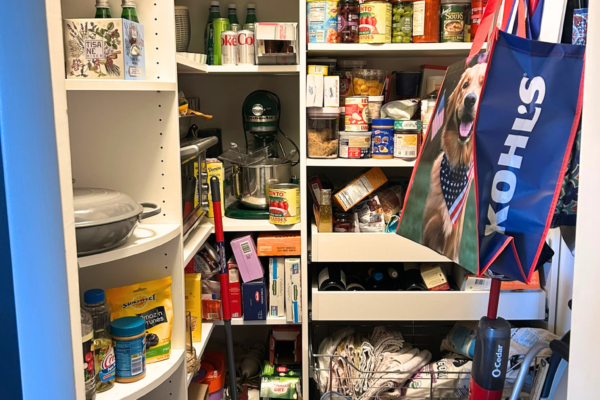
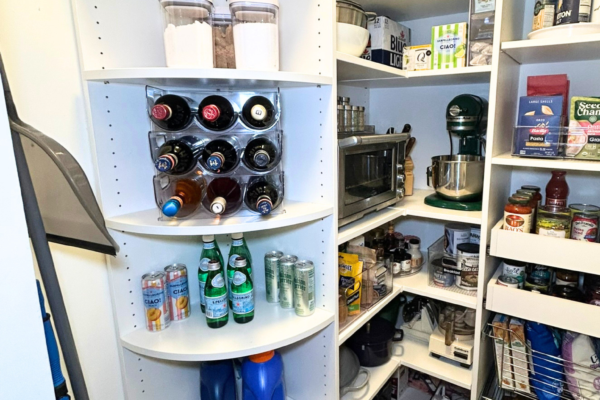
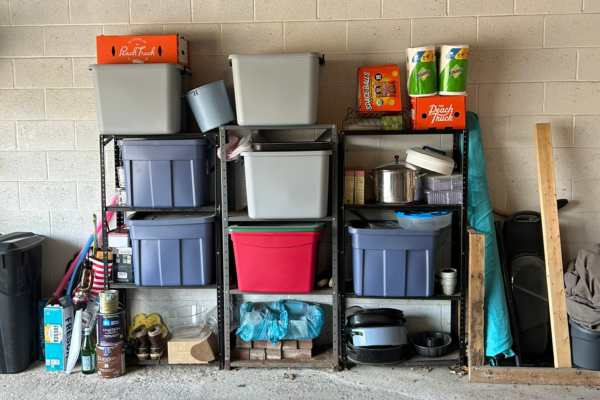
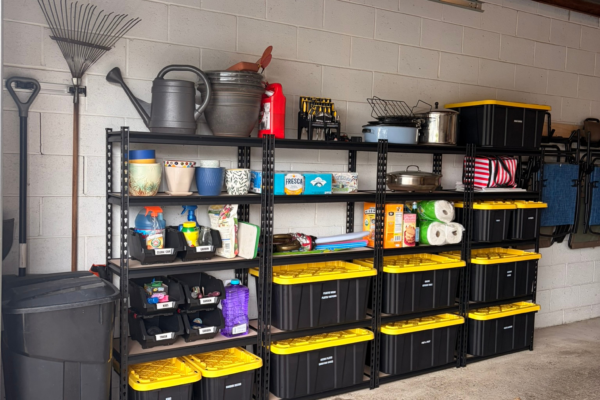
A crowded closet can push clothes into the bedroom. An overflowing pantry can spill onto the kitchen counter. A garage can become the holding zone for everything that no longer fits elsewhere.
At that point, organizing one area may improve what you can see without solving what is causing the problem.
For a broader look at how these spaces connect, see our complete guide to South Florida home organization.
Why piecemeal organizing can stall
You solve the symptom instead of the system
Clearing a cluttered kitchen counter can make the room feel better immediately.
But if the pantry is over capacity, incoming mail has no home, or frequently used appliances are stored somewhere inconvenient, the counter will probably fill up again.
The same pattern shows up throughout a home. Shoes collect by the door. Clothes land on a chair. Pantry overflow spreads into the kitchen. Garage shelves refill after every cleanout.
When clutter keeps returning, the visible mess is often a symptom of a larger system that is not working.
You keep making the same decisions
Organizing involves a lot of decisions:
- What stays?
- What leaves?
- Where should each category live?
- How much can the space reasonably hold?
- Who uses it?
- What needs to stay within easy reach?
- Would more storage actually help?
When you organize in short bursts, those decisions can get repeated instead of resolved.
You sort part of the closet this weekend, move a few things next weekend, order bins, then come back a month later and realize you still have not decided what the space actually needs to hold.
The project keeps restarting.
One room can depend on another
Homes do not function as isolated rooms.
A pantry problem may really be an inventory problem. A bedroom problem may start with an overfilled closet. A garage may become the overflow zone for everything that cannot find a place inside.
That is why larger organizing projects often benefit from looking at connected spaces together.
Instead of asking how to make everything fit where it already is, you can decide where belongings make the most sense across the home and build the system around that.
You may never feel the full transformation
Another downside of organizing 10% at a time is that you may never reach the point where the change feels significant.
A finished system changes how the space works day to day. You can find what you need, put things away without rearranging everything, and see enough open space for the system to keep functioning.
That matters because a completed space gives the household a clear standard to maintain.
When a project stays half-finished for months, organizing can feel like an ongoing chore. Once the system is complete, the work shifts from building it to simply maintaining it.
Why hire a professional organizer?
Hiring a professional organizer is about more than tidying what is already there.
A professional looks at why the space is not working and what needs to change for it to function better long term.
That can include:
- Editing what the space needs to hold
- Identifying where the current setup creates friction
- Deciding what belongs where
- Creating zones around everyday routines
- Planning storage before buying more products
- Sourcing containers or storage solutions where they add value
- Organizing and installing the finished system
- Labeling where it makes the system easier to maintain
The difference matters most in larger projects.
A closet is not truly organized just because everything fits on day one. It also needs to work when laundry comes back, new clothes enter the home, and someone is getting dressed on a busy morning.
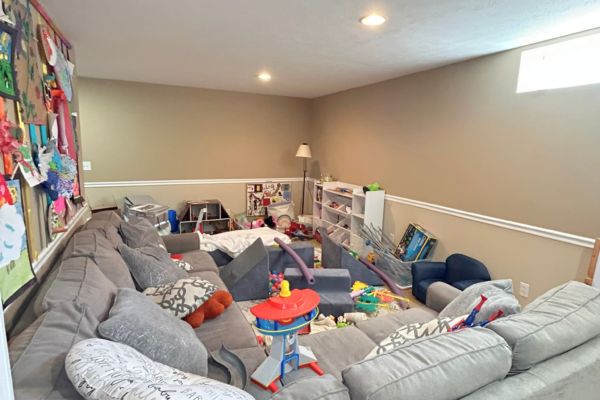
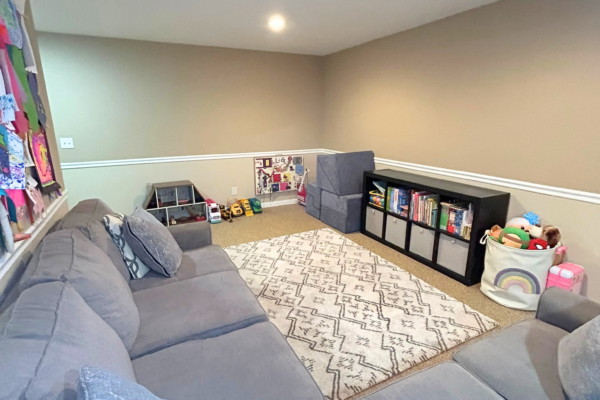
A pantry should still work after the next grocery trip. A playroom should make cleanup easier for the children who use it.
For more on what professional organizing can include, see the KonMari method vs. what professional organizers actually do.
Why doing more at once can make a difference
There is value in concentrating the work when several spaces or decisions are connected.
A professional organizing project can move through editing, planning, sourcing, organizing, and installation in a focused period instead of stretching those same steps across months of spare weekends.
That can make a bigger difference when:
- Several rooms affect one another
- You have already reorganized the same space more than once
- You are moving into a new home
- A renovation has changed how the space should function
- Guests or another deadline are approaching
- The project is larger than the time you realistically have
- You simply want the problem handled
The benefit is not just getting organized faster. It is getting to a complete, usable system sooner.
How to know when DIY organizing has become a loop
You do not need professional help every time the house gets messy.
But it may be time to hire a professional organizer when:
- You keep reorganizing the same space
- Clutter returns soon after you clear it
- Belongings regularly migrate to places they do not belong
- Overflow from one room becomes another room’s problem
- Drawers, shelves, closets, or bins are consistently over capacity
- You keep buying organizing products without making the space easier to use
- You are unsure what should live where
- The project has been unfinished for months
- You need the home functioning by a specific date
- You are tired of spending weekends on the same problem
Those patterns usually point to something deeper: too much inventory, a system that is hard to maintain, changing household routines, or storage that no longer fits what the home needs to hold.
At that point, identifying the real problem is more useful than reorganizing the same belongings again.
What does hiring a professional organizer cost?
Professional organizer pricing varies by project size, team size, market, and what the service includes.
Some organizers charge hourly. Others use half-day or full-day packages or price the full project after an assessment.
That makes the hourly rate only one part of the comparison. A lower rate may not be the better value if the work takes longer or excludes planning, sourcing, installation, or other support you need.
For current benchmarks, see How much does a professional organizer cost?.
If you are comparing local options, see our guide to the best home organizers in Miami, Fort Lauderdale, and Palm Beach.
Schedule a consultation to talk through your home.
When to stop starting small
Small steps work when the problem is small.
But if you have been chipping away at the same rooms for months, another drawer may not change much.
Larger problems often require looking at the home as a system: what you own, where it belongs, how much the space can hold, and how your household actually uses it.
That is where professional organizing can make a bigger difference.
Well Kept Pro’s Reset service is designed for one space or a few connected rooms that need a functional overhaul. Renew applies that approach to larger or whole-home projects.
Explore Well Kept Pro’s services and current pricing, or schedule a consultation to talk through your home.