

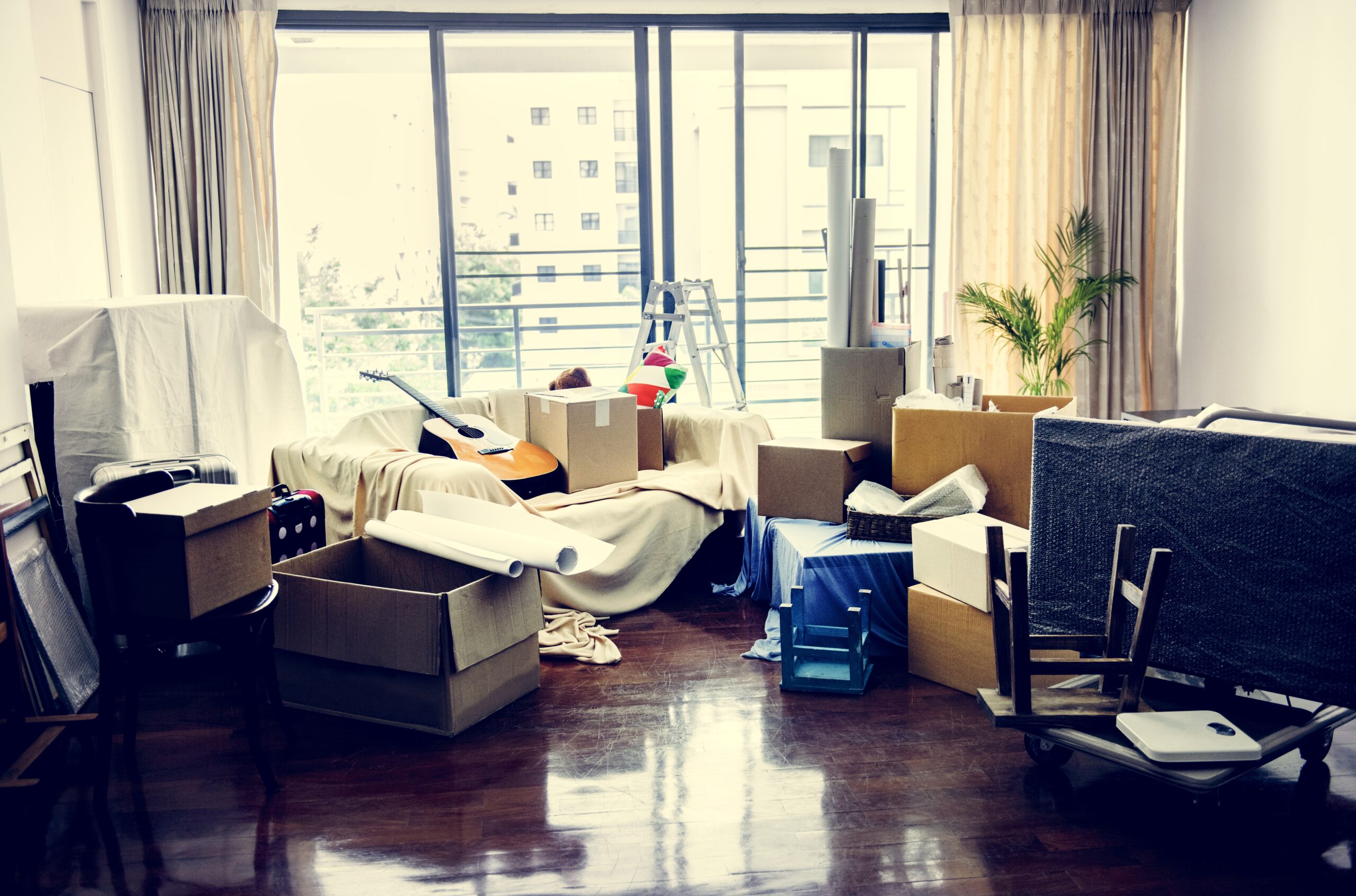
You organize the closet. Clear the counters. Buy a few bins. Maybe even label everything.
A few weeks later, the clutter is back.
If you keep asking, “Why can’t I stay organized?” the problem may be less about discipline and more about the system you are trying to maintain.
Recurring clutter usually points to one of three issues:
- You have more than the space can comfortably hold.
- Putting things away takes too much effort.
- Both are happening at once.
Knowing which problem you have is the first step toward fixing it.
If you have already reorganized the same spaces more than once, see why organizing a little at a time doesn’t always work.
1. You have more than the space can hold
Sometimes the problem is simply volume.
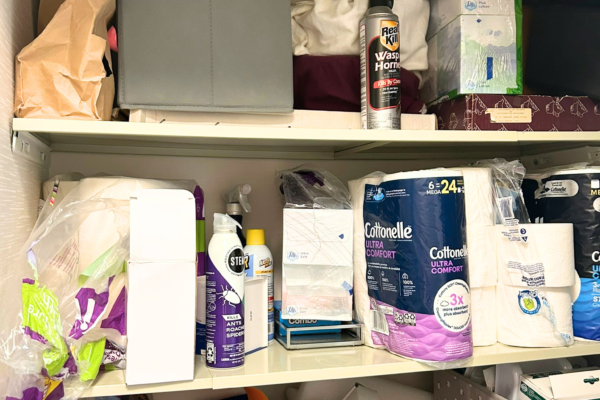
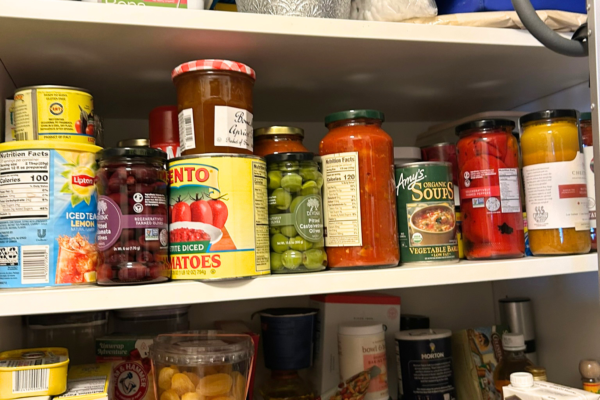
Closets are packed. Drawers barely close. Pantry categories spill into other areas. New purchases have nowhere obvious to go.
A better organizing system can make space work harder, but it cannot create unlimited capacity.
Signs of an inventory problem include:
- Drawers, shelves, or bins are consistently full
- Categories spill into neighboring spaces
- You have to move things around to put something away
- New items have no clear place to live
- You keep adding storage just to make everything fit
At that point, the question is not which container to buy. It is how much the space can comfortably hold.
That may mean editing what stays, reducing duplicates, or setting limits around certain categories.
A closet, for example, works better when there is enough room to see what you own and put clothes away easily. Our Florida closet organization guide covers how to build storage around the way you actually use your wardrobe.
2. Putting things away is harder than it should be
Sometimes everything fits, but the system still does not work.
The problem is friction.
If putting something away means opening several containers, moving other items first, walking to another part of the house, or remembering an overly specific category, leaving it out becomes easier.
Look for patterns like:
- Everyday items are stored far from where they are used
- Frequently used belongings are behind rarely used ones
- Containers are difficult to access
- Categories are too specific or complicated
- Nobody knows where something belongs
- Putting something away takes several steps
Every extra step makes a home organization system harder to maintain.
If shoes always collect by the door, ask: Is the storage actually where people take them off?
The same applies to the rest of the household. If several family members consistently ignore a system, look at the setup before assuming they simply will not stay organized.
Is the assigned place obvious? Can children reach it? Does putting something away require too many steps? Is there actually enough room?
Good organization should make the right action easier, not give everyone more rules to remember.
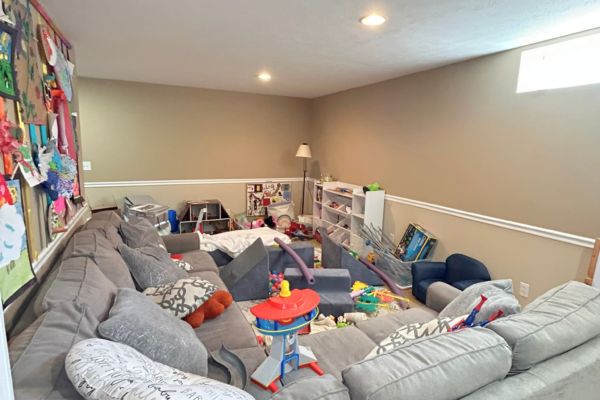
3. You have too much stuff and too much friction
Many homes have both problems at once.
The closet is over capacity, and the clothes you wear most are hard to reach. The pantry holds too much, and the categories are too complicated to maintain. The garage is full, and frequently used items are buried behind long-term storage.
Decluttering alone may not solve that. You can reduce what you own and still be left with an inconvenient system.
Better storage will not solve it either if the space is still trying to hold too much.
The fix is to address both sides:
Reduce what the space needs to hold, then make what remains easier to use.
This is where professional organizing can be especially useful. The work is not simply about making everything fit. It is about deciding what belongs, where it belongs, and how the household will realistically use the system afterward.
For a broader look at how spaces work together, see our complete guide to South Florida home organization.
Organizing products cannot fix the wrong system
Bins, baskets, labels, drawer dividers, and shelving can all help.
But they work best after you know:
- What needs to stay
- How much there is
- Where it should live
- Who needs to access it
- How often it is used
Buying products first can make clutter look more contained without making the space easier to maintain.
Matching bins will not solve the problem if they are overfilled or nobody knows what belongs in them.
The product should support the system, not substitute for one.
How to tell what is actually going wrong
Instead of clearing the same clutter again, pay attention to where it keeps returning.
The kitchen counter keeps filling up: frequently used items may not have a convenient home.
Clothes keep collecting on a chair: the closet may be over capacity, or there may be no easy place for clothes that will be worn again.
Shoes pile up by the door: the storage may be too far from where people actually take them off.
The garage keeps filling: it may be absorbing overflow from storage problems elsewhere in the home.
Then ask three questions:
Does everything fit comfortably?
If not, you likely have an inventory or capacity problem.
Is putting things away simple and obvious?
If not, you likely have a system-design problem.
Are both a problem?
Then you need to reduce what the space holds and redesign how what remains is stored.
Recurring clutter is useful information. It shows you where the current system is breaking down.
When a professional organizer can help
A professional home organizer can look beyond the visible clutter and identify why the same problems keep returning.
That may include evaluating:
- What the space needs to hold
- Where clutter consistently accumulates
- How the household actually uses the room
- Which parts of the current system create friction
- Whether the available storage is sufficient
- What should be edited, moved, or reorganized
The value is in solving the underlying problem rather than repeatedly resetting the visible mess.
For more on what professional organizing can include, see the KonMari method vs. what professional organizers actually do.
If you are considering professional help, see how much a professional organizer costs.
Build a home that is easier to keep organized
If your home keeps becoming disorganized, pay attention to how it breaks down.
Overflow points to capacity.
Items repeatedly left out point to friction.
A system nobody follows may simply be too difficult to maintain.
Once you understand the pattern, you can stop reorganizing the same belongings and start fixing what is causing the clutter to return.
Well Kept Pro’s Reset service is designed for one space or a few connected rooms that need a better system. Renew is built for larger or whole-home projects where several spaces need to work together.
Explore Well Kept Pro’s services or schedule a consultation to talk through what is not working in your home.