

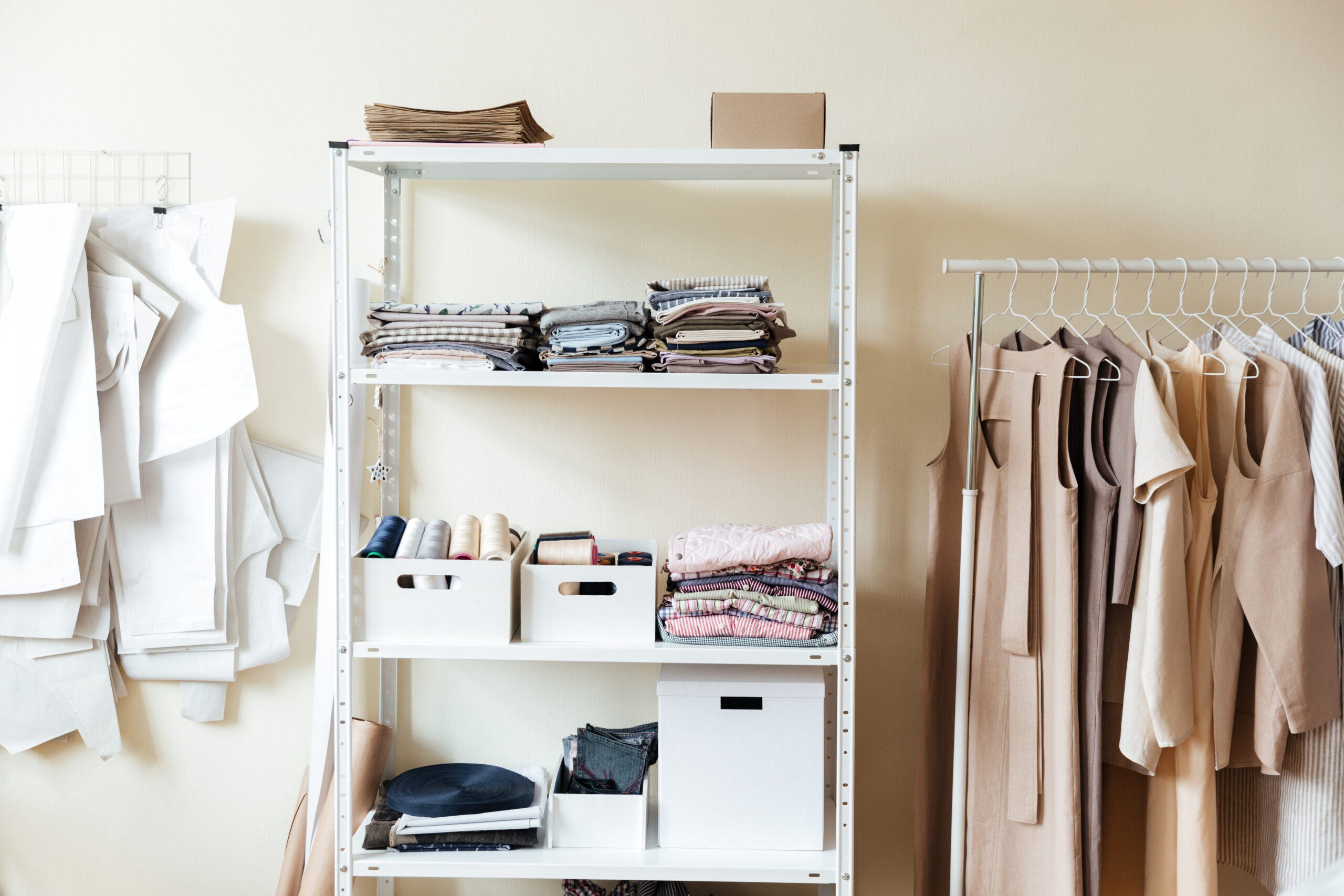
If there is an empty shelf, most of us eventually fill it.
An open hanger becomes another shirt. Extra pantry space disappears on the next grocery trip. A little room in the garage slowly gets claimed.
Eventually, everything fits, but nothing is easy to use.
That is where the 80/20 rule for home organization can help.
As a practical rule of thumb, aim to use about 80% of your storage and leave the remaining 20% open.
You do not need to measure every shelf or drawer. The point is to leave enough breathing room to see what you own, take things out easily, and put them back without rearranging everything else.
Empty space is not wasted space. It is what helps the system keep working.
What the 80/20 rule means for home organization
The idea is simple: do not fill every storage space to maximum capacity.
Leave enough room to:
- See what you own
- Take something out without moving several other things
- Put belongings back easily
- Absorb a normal grocery trip or new purchase
- Handle changes in the household without immediate overflow
That remaining space is your working capacity.
Without it, a closet, pantry, cabinet, or garage can look organized after a reset and start breaking down as soon as something new comes in.
If your home still feels full after organizing, see why your home won’t stay organized for a deeper look at capacity and system design.
Why completely full storage is harder to maintain
A storage space can look neat and still be too full.
When every drawer, shelf, and bin is packed:
- Putting something away requires rearranging other items
- Categories spill into neighboring spaces
- Belongings become harder to see
- New purchases have nowhere obvious to go
- Items start migrating to counters, chairs, floors, or other rooms
That is when the system starts requiring too much effort to maintain.
A good organization system should work on an ordinary day, not just immediately after everything has been put back.
If overflowing drawers and bins are already a recurring problem, see 5 signs your home needs more than a tidy-up.
Use containers to set limits, not create more capacity
Bins, baskets, shelves, and drawer dividers are useful because they give categories clear boundaries.
A pantry bin can hold snacks. One shelf can hold towels. A set of baskets can contain toys.
Once that space is comfortably full, the answer should not automatically be another bin.
That is the point to ask whether everything in the category still deserves the space.
Containers work best when they show you the limit, not when they let the category keep expanding.
Do not buy more hangers
Closets make the 80/20 rule easy to see.
If every hanger is packed tightly together, clothes become harder to see, remove, and put back.
Instead, set the closet at a comfortable capacity and stop adding hangers.
When you want to bring in something new and there is no hanger available, ask:
- Is there something you no longer wear?
- Is there a duplicate or similar item you can let go?
- Does the new piece deserve the space more than something already there?
That keeps the closet from expanding until it becomes difficult to use.
Our Florida closet organization guide covers more ways to build a wardrobe system around how you actually live.
Ask one question before something comes home
Before buying something new, ask:
Where is this going to live?
Not “somewhere in the kitchen” or “probably in the garage.”
Which drawer? Which shelf? Which closet?
If there is no clear answer, one of three things needs to happen:
- Something else leaves
- The category gets reorganized
- The new item does not come home
That question helps stop clutter before it starts.
The easiest item to organize is often the one you never had to make room for in the first place.
Use one-in, one-out when a category is full
Once a category reaches its comfortable limit, a one-in, one-out approach can help preserve the breathing room.
Buy a new pair of shoes? Consider which pair you no longer wear.
Bring home another kitchen gadget? Decide whether something else still deserves the space.
Add new toys? Use the moment to edit what is no longer being used.
This does not need to be a rigid rule for every purchase.
It is simply a useful way to keep full categories from expanding beyond the space you have.
How the 80/20 rule looks around the home
The principle stays the same, but it looks different depending on the space.
Closets
Leave enough room between clothes to see what you own and remove items without fighting the rack.
Pantry
Leave enough open capacity for regular grocery trips without pushing food onto counters or unrelated shelves.
For more pantry guidance, see our South Florida pantry organization checklist.
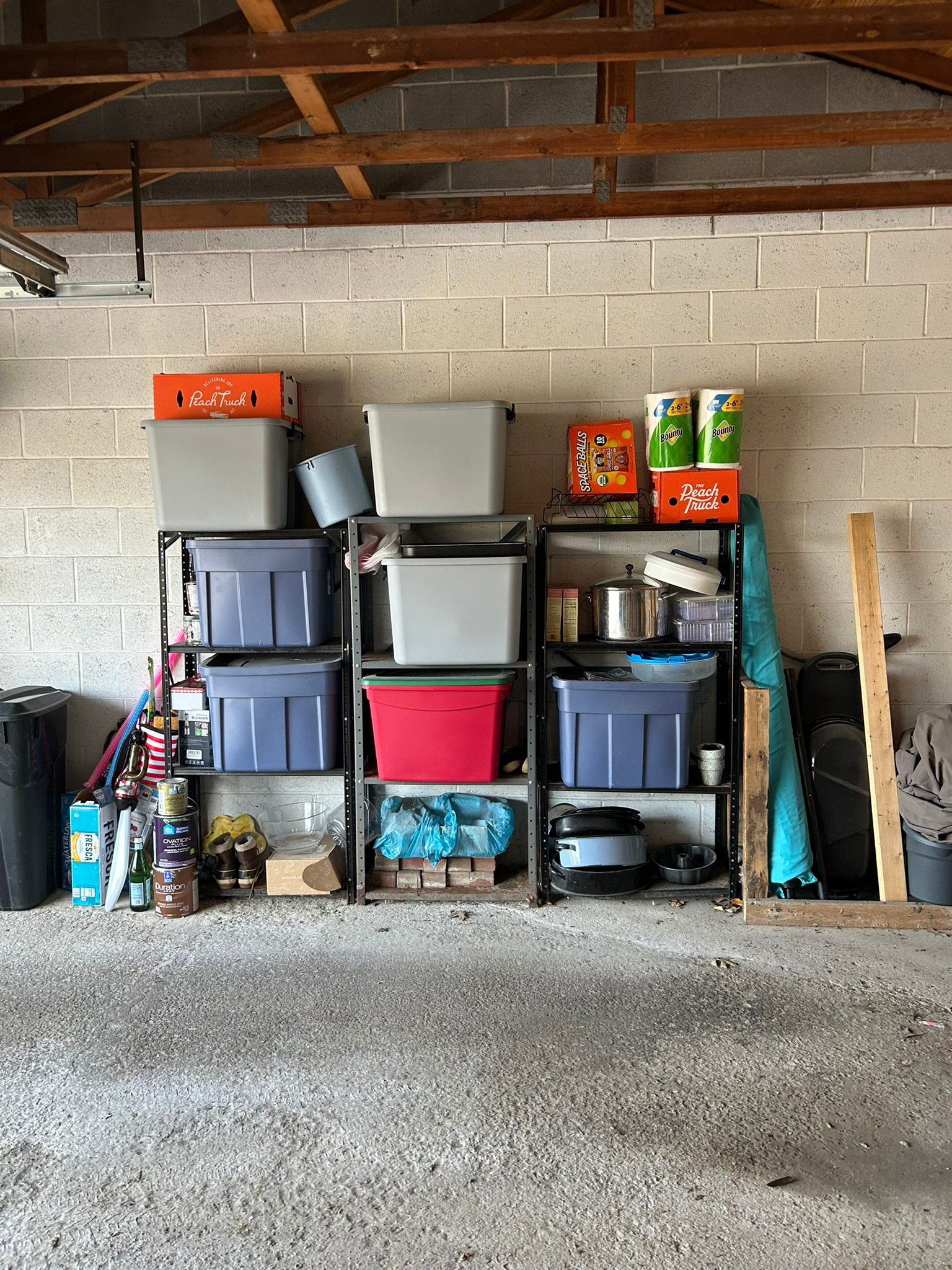
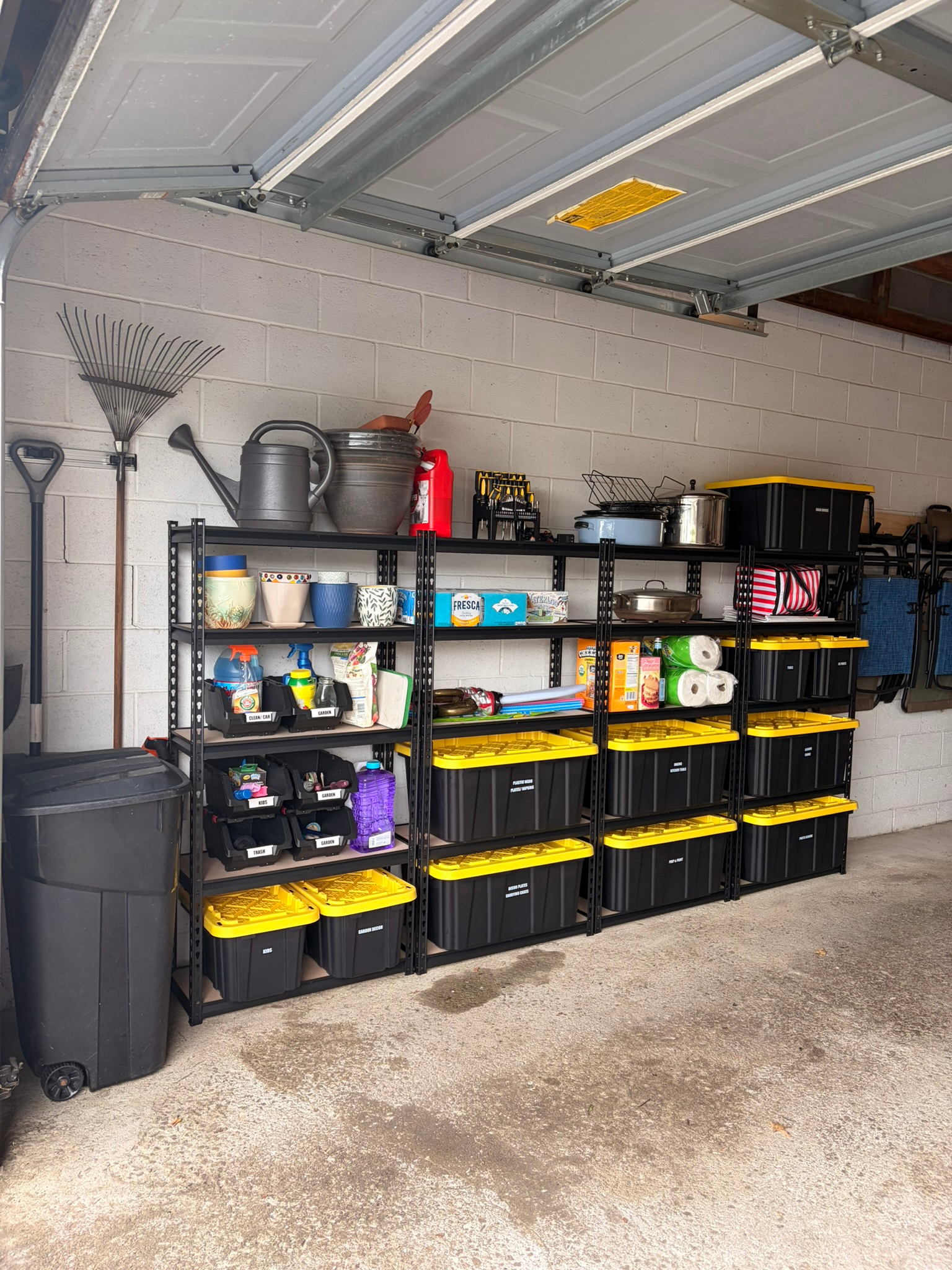
Garage
Do not treat every shelf, wall, and floor area as available storage.
Garages need room for items to move in and out, especially when they also hold tools, sports equipment, hurricane supplies, and seasonal belongings.
Our South Florida garage organization guide covers how to plan garage storage around the local environment and the way the space is actually used.
When breathing room is not enough
Sometimes you can edit what you own and still struggle to make the storage work.
The problem may be the storage itself.
A closet configuration may waste usable space. Pantry shelves may not fit the categories they need to hold. Garage storage may be poorly placed. The household may simply have changed since the space was designed.
At that point, removing more belongings may not be the answer.
The better question is whether the storage needs to change.
That might mean reassigning categories, adding more functional shelving, changing the layout, or planning a larger storage solution.
If organization alone is not enough and the storage itself needs to change, Well Kept Pro’s Renovate service can take the space from planning through an installed organization system.
For a broader look at how these decisions fit together across the home, see our complete guide to South Florida home organization.
How a professional organizer thinks about capacity
Professional organization is not about squeezing the maximum amount into every available inch.
It is about deciding what the household actually needs to store and leaving enough room for the system to keep working.
A professional organizer can evaluate:
- What the household actually uses
- How much each space can comfortably hold
- Which categories deserve prime storage
- Where open capacity is needed
- What should be edited or moved
- Whether the physical storage itself is working
That is the difference between making everything fit today and creating a system that is easier to maintain over time.
Give your home room to change
You do not need exactly 20% empty space in every drawer, shelf, or closet.
You do need enough breathing room for the system to keep working.
The pantry needs space for groceries. The closet needs room for something new. The garage needs enough open capacity that putting one item away does not require moving five others first.
Empty space gives your home flexibility.
If your storage is already packed and you are constantly rearranging belongings just to make things fit, Well Kept Pro can help determine whether the answer is editing, a better system, or a larger storage change.
Explore Well Kept Pro’s services to see whether Reset, Renew, or Renovate fits your project, or schedule a consultation to talk through what is not working in your home.