

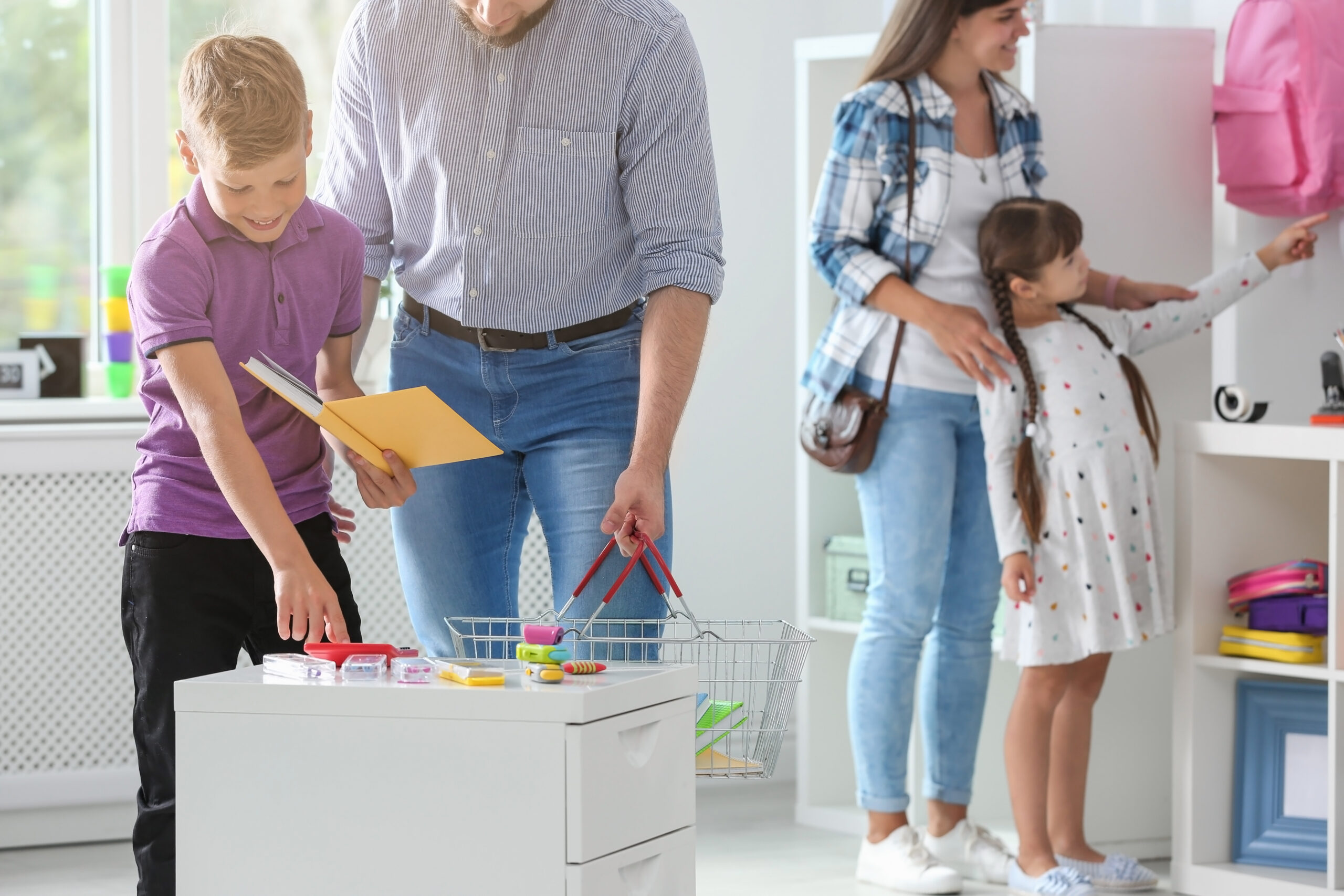
Family life creates a lot of movement.
Backpacks come through the door. Shoes land wherever they come off. Toys move from room to room. Snacks disappear from the pantry. Laundry never really stops.
Good family home organization should make all of that easier to manage.
If the system only works when one parent is constantly resetting it, the system may be asking too much.
A better approach is to organize around the way the family actually moves through the home, then make the setup simple enough for children to participate.
Start with what keeps creating work
Before buying bins or reorganizing a room, look at the parts of the day that create the most friction.
Ask:
- Where do shoes, backpacks, and bags usually land?
- Which toys are always left out?
- Where does laundry pile up?
- Can children reach what they use every day?
- Can they tell where those things belong afterward?
- Which spaces are you constantly putting back together?
- What are you always searching for before leaving the house?
Those patterns show you where the system needs attention.
If the same clutter keeps returning, see why your home won’t stay organized for a deeper look at what may be causing it.
Build systems kids can actually use
A family organization system should match the abilities of the people using it.
For young children, storage usually works better when it is:
- Easy to reach
- Easy to open
- Easy to understand
- Simple enough to use without constant direction
A four-year-old probably does not need eight separate toy categories. “Blocks,” “cars,” “art,” and “dress-up” may be enough.
The same principle applies throughout the home. Low hooks, accessible drawers, broad categories, open bins, and simple labels can make it easier for children to help.
Katie’s background as an executive assistant and nanny reinforced the same lesson in very different environments: systems work better when they are designed around the people expected to use them.
Well Kept Pro’s family home organization services apply that idea across the home.
Give everyday belongings a clear landing zone
One of the easiest ways to reduce daily clutter is to organize around what happens when everyone comes home.
A family drop zone might include:
- Low hooks for backpacks
- A place for shoes
- A tray or basket for school papers
- Hooks or cubbies for jackets
- A spot for sports bags
- A place for keys and adult belongings
Keep it close to the door the family actually uses.
If a backpack naturally lands by the entry every day, storing it across the house probably will not work.
Keep the number of steps low, too. If putting something away requires opening a closet, moving another item, and reaching a high hook, it is more likely to stay out.
Make kids’ rooms easy to reset
A kids’ room does not need to stay perfectly neat.
It should be easy to put back together.
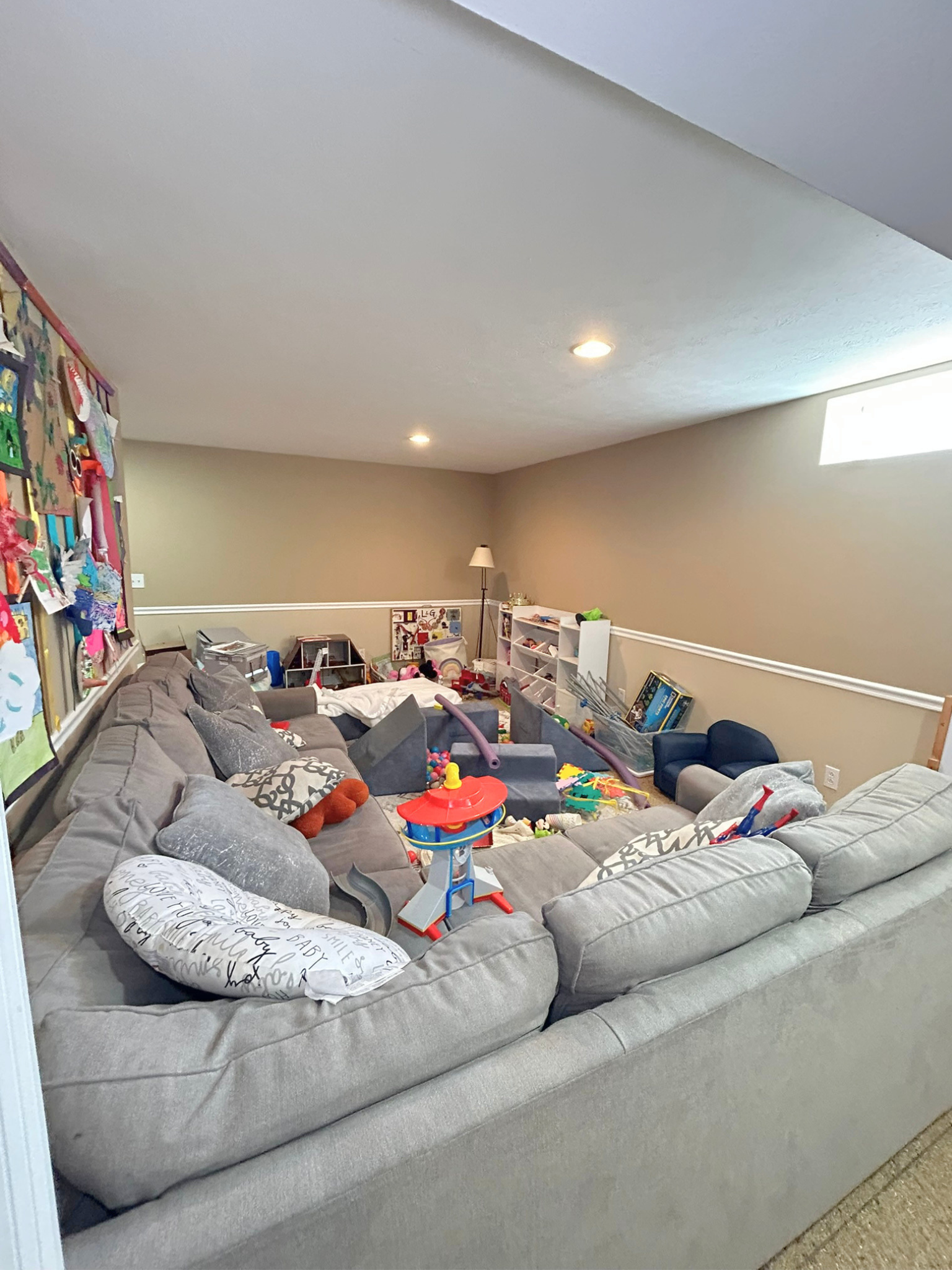
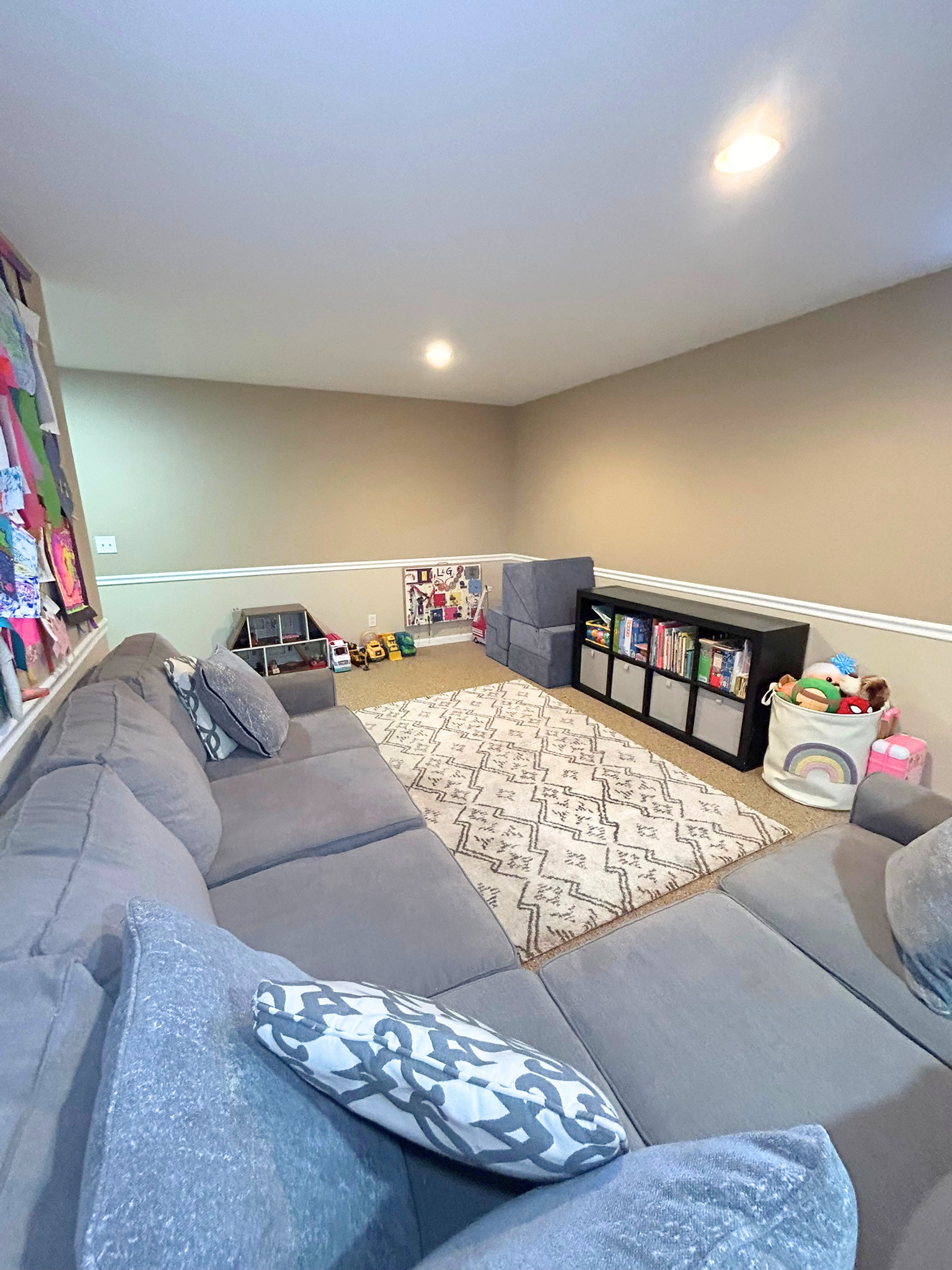
Keep toys used every day within reach and give them broad, obvious categories. Make the hamper accessible. Avoid deep bins that have to be emptied to find one item.
Storage becomes harder to maintain when children have to:
- Move several things to reach what they want
- Stack toys precisely
- Open heavy lids
- Remember overly specific categories
- Ask an adult every time something needs to be put away
The easier the reset is, the easier it is for children to participate.
Our guide to kids’ rooms that stay organized goes deeper into toys, clothes, school papers, and reset routines.
Make clothing simple to manage
Clothing creates a lot of work in family homes.
Clean clothes need to go away. Dirty clothes need somewhere to land. Outgrown clothes need an exit path.
For younger children, broad categories usually work well:
- Shirts
- Shorts
- Pajamas
- Swimwear
- Underwear and socks
Keep frequently worn clothing in the easiest-to-reach drawers and shelves.
The hamper should also be somewhere obvious. If dirty clothes consistently land somewhere else, the hamper may simply be in the wrong place.
Leave enough room in drawers and closets that clothes can be put away without forcing everything in.
Our Florida closet organization guide covers how to build closet storage around what the household actually wears and uses.
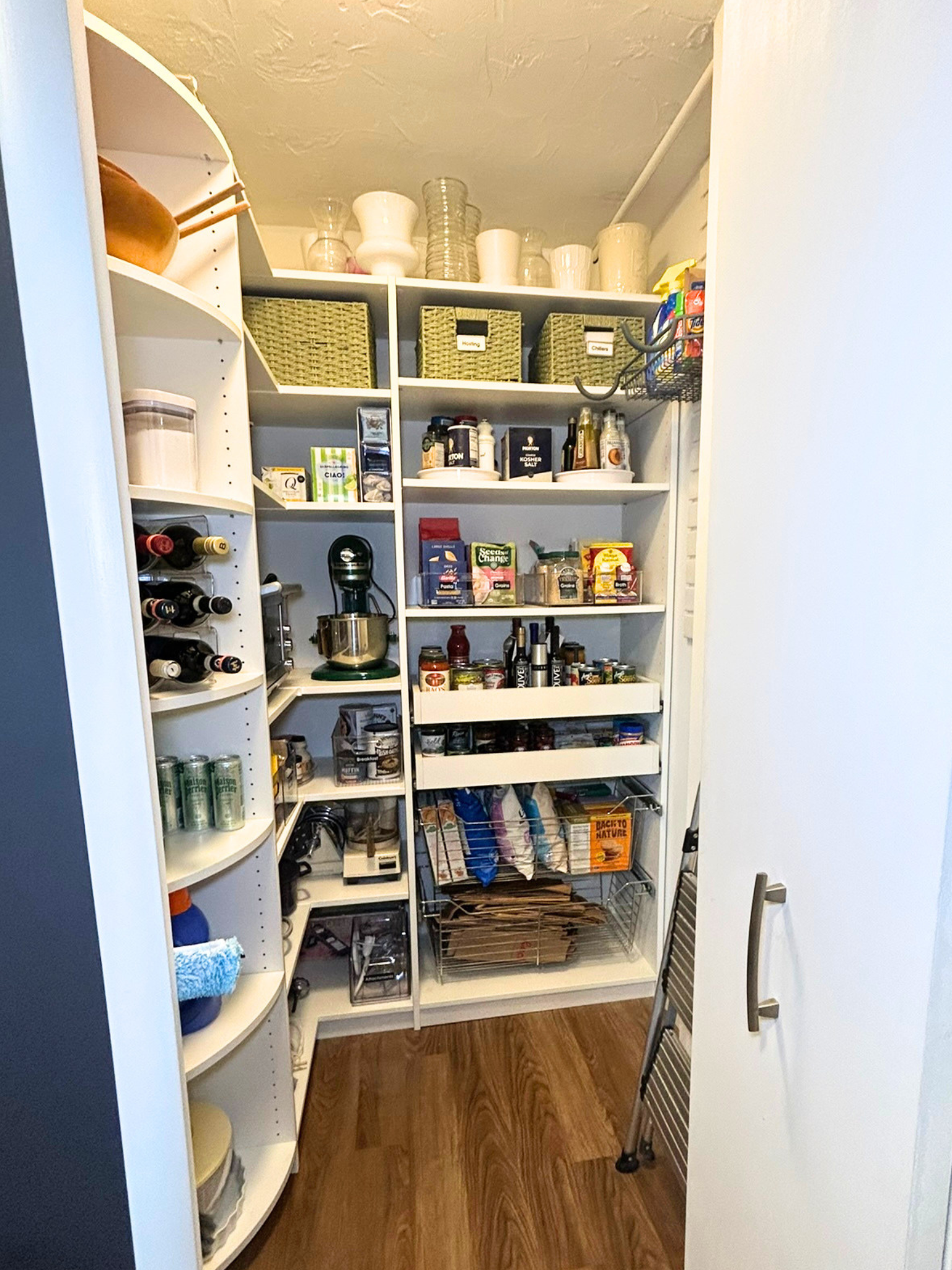
Make the pantry work for kids and adults
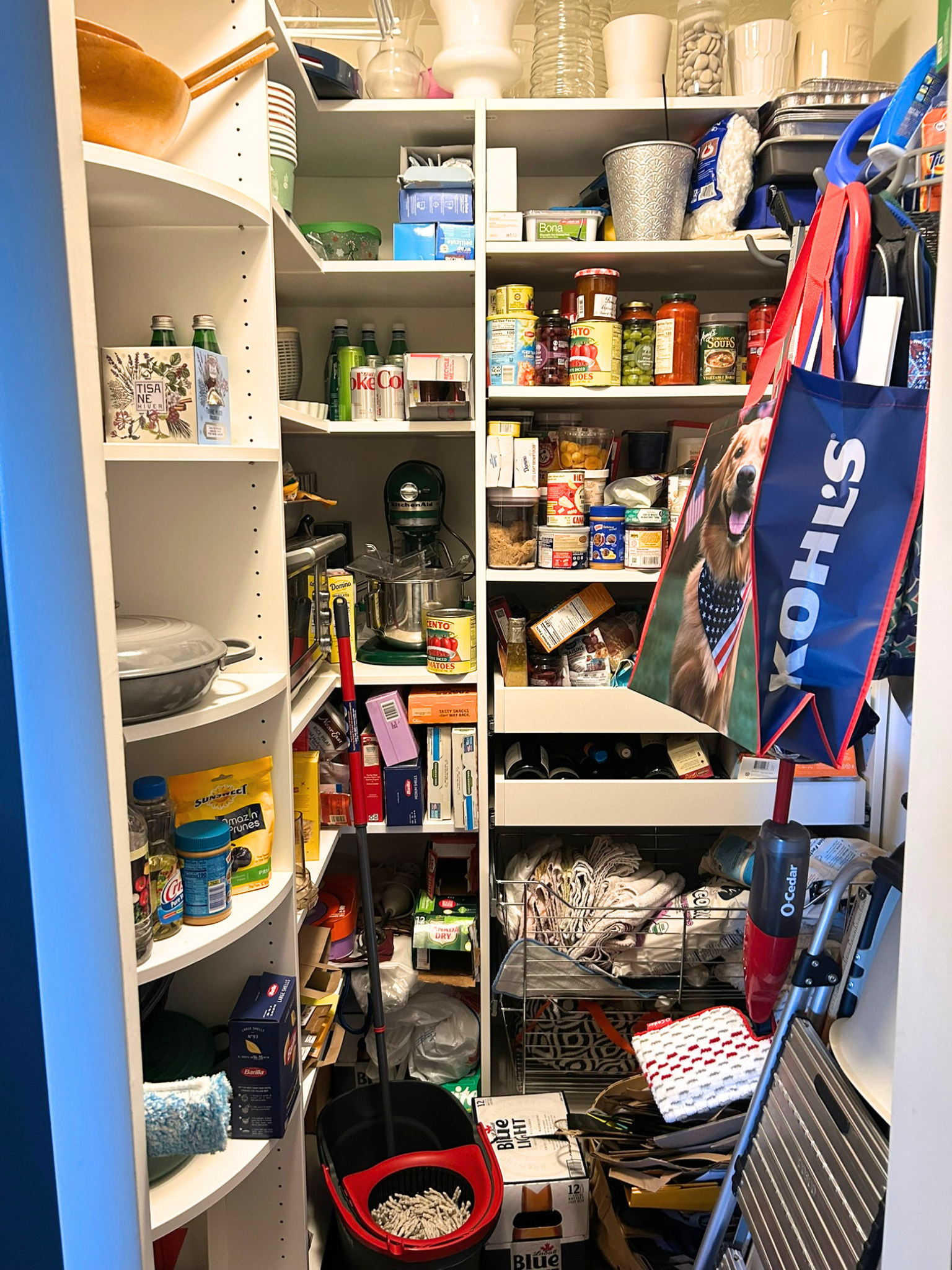
For children who are old enough to get snacks or help pack lunches, create a clear, reachable zone.
That might include:
- School snacks
- Lunchbox items
- Breakfast foods
- Reusable bottles
- Kid-friendly grab-and-go options
Keep categories broad enough that children know where things belong.
You also do not need to decant or label everything.
A snack bin is useful if it makes food easier to find and put away. Matching containers are less useful if maintaining them becomes another job for the parent.
Our guide to pantry organization containers, labels, and decanting explains when those products improve the system and when they add work.
Use short routines to maintain the system
Young children are unlikely to maintain an organized home because they were told once where everything belongs.
The system needs repetition.
Keep routines short and predictable.
After school:
- Backpack goes on the hook
- Shoes go in their spot
- Lunchbox goes to the kitchen
- School papers go in one place
Before bed:
- Toys return to their bins
- Clothes go in the hamper
- Books return to the shelf
For some children, a simple reward can help build the habit. That might be a sticker, points toward a privilege, or choosing the bedtime story.
The goal is to make the routine familiar enough that it eventually requires less prompting.
When one parent is carrying the whole system
A common sign that family organization needs attention is when the home only stays organized because one person keeps restoring it.
That can look like:
- Repacking everyone’s bags
- Picking up toys after bedtime
- Returning shoes and clothes to their places
- Reorganizing the pantry after every grocery trip
- Clearing the same counter every day
- Repeatedly reminding everyone where things belong
Some of that is part of parenting young children.
But if the systems themselves make participation difficult, small changes can reduce the workload.
Move storage lower. Make categories broader. Remove extra steps. Give everyday belongings obvious homes. Reduce how much each space is trying to hold.
The goal is not to make children responsible for managing the house.
It is to make it easier for them to participate in age-appropriate ways.
When family home organization needs more than a quick reset
Sometimes a few adjustments are enough.
Other times, the same problems are showing up across several rooms.
Professional family home organization may make sense when:
- Toys, clothing, school items, and household supplies spill between rooms
- One parent is constantly resetting the home
- Existing storage is difficult for children to use
- The same clutter returns after every cleanup
- Several family routines need better systems
- You have already bought organizing products without solving the problem
A professional organizer can look at how the household moves through the home and build connected systems around those routines.
That might mean reworking an entryway around school mornings, simplifying kids’ storage, restructuring pantry categories, or making closets easier for everyone to use.
Learn more about Well Kept Pro’s family home organization services.
For a focused project involving one space or a few connected rooms, Reset may be the right fit.
Spend less time resetting the house
A family home is going to get messy.
Toys will come out. Clothes will move. Backpacks will land. Snacks will disappear.
A good organization system makes it easier to recover.
Children know where their things belong. Parents spend less time putting the same rooms back together. Everyday routines require fewer reminders and fewer decisions.
That is the goal of family home organization: a home that is easier for everyone to use and easier for everyone to help maintain.
Learn more about family home organization with Well Kept Pro or schedule a consultation to talk through what would make everyday life easier in your home.