

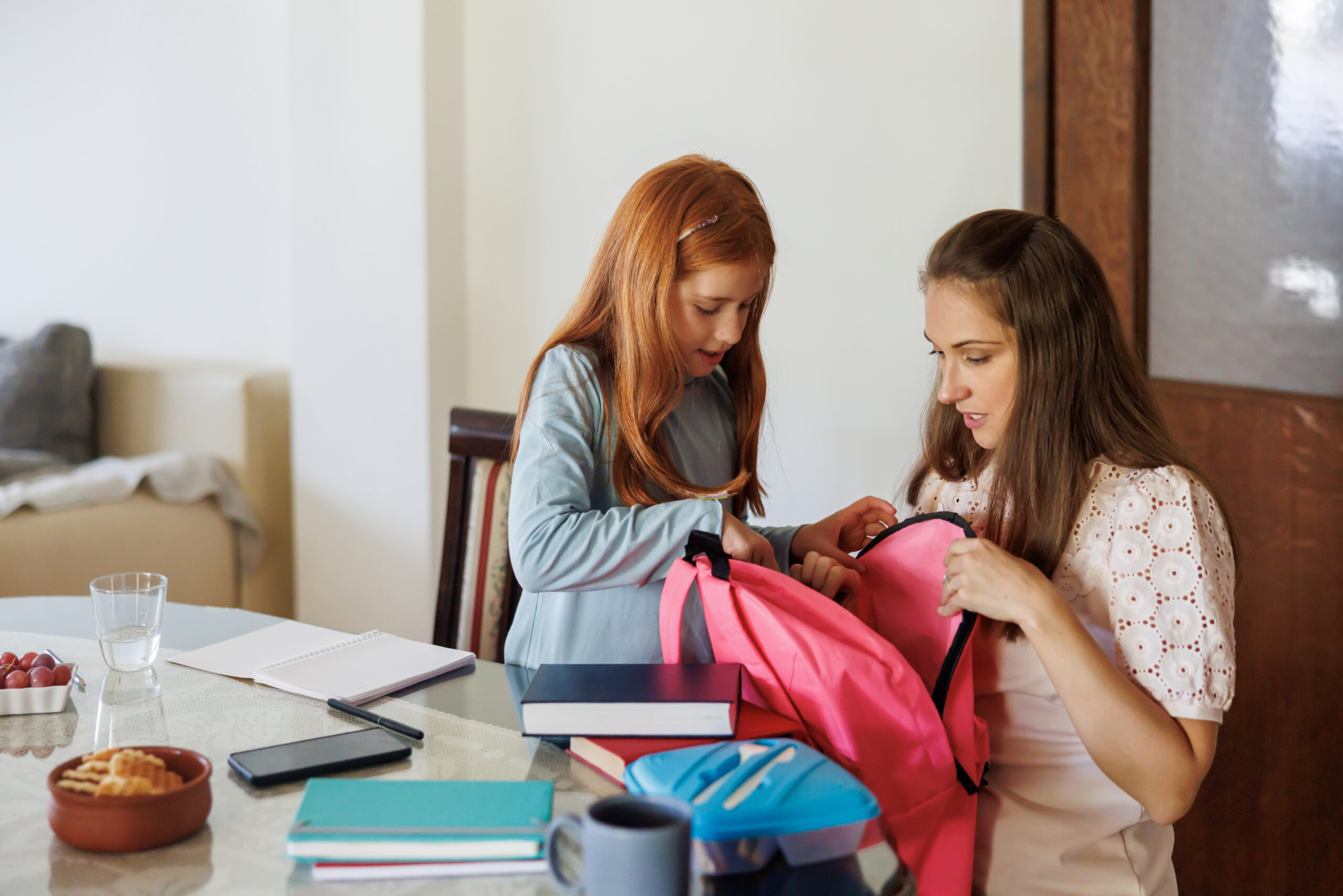
The school day starts before anyone leaves the house and keeps going after everyone gets home.
Shoes need to be found. Lunches need to be packed. Backpacks come home with papers. Homework lands on the kitchen table. Activity gear moves in and out.
When one parent has to remember where everything is and reset it every day, the routine creates unnecessary work.
Good school organization at home gives those everyday items clear places to leave, land, and return.
Well Kept Pro’s family home organization approach starts with how the family moves through the day, then builds systems around that routine.
Start with the school-day flow
Before adding cubbies, baskets, or labels, map the routine:
Morning → leaving home → coming back → homework and activities → evening reset → tomorrow
Ask:
- What does each child need before leaving?
- Where do those items live now?
- What comes back into the house every afternoon?
- What needs a parent’s attention?
- What can children manage on their own?
- Where do things regularly pile up or get lost?
The friction often happens between rooms.
A rushed morning may begin with an overcrowded closet. School papers may pile up because they have no destination after leaving the backpack. Activity gear may be hard to find because the pieces are stored separately.
Start with the routine, then build the storage around it.
Create clear places for leaving and coming home
Start near the door the family actually uses.
Create a launch zone for the things that regularly leave the house:
- Backpacks
- Shoes
- Jackets
- Water bottles
- Sports or activity bags
- Projects or forms that need to return to school
For younger children, keep hooks and cubbies within reach. A small “ready for tomorrow” basket or shelf can hold unusual items that need to leave the next morning.
The same area should support the return home.
Build a simple backpack routine:
Unpack → deal with contents → repack what is needed → return backpack to its place
Give school papers a few clear destinations:
- Needs parent attention
- Needs to return to school
- Keep
- Recycle or discard
A tray, basket, or file can handle most of this. Papers that need a signature or other action should have one obvious place.
This creates a complete loop: items leave from a defined zone and return to a defined zone.
Organize the spaces that support the routine
The school day also depends on closets, the kitchen, and activity storage.
Clothes
Keep frequently worn school clothes easy to see and reach. Store uniforms together where relevant and give sports or activity clothes their own defined space.
Accessible hampers and regular editing of outgrown clothes also make the routine easier to maintain.
Our Florida closet organization guide goes deeper into organizing closets around what the household actually wears and uses.
Lunches and snacks
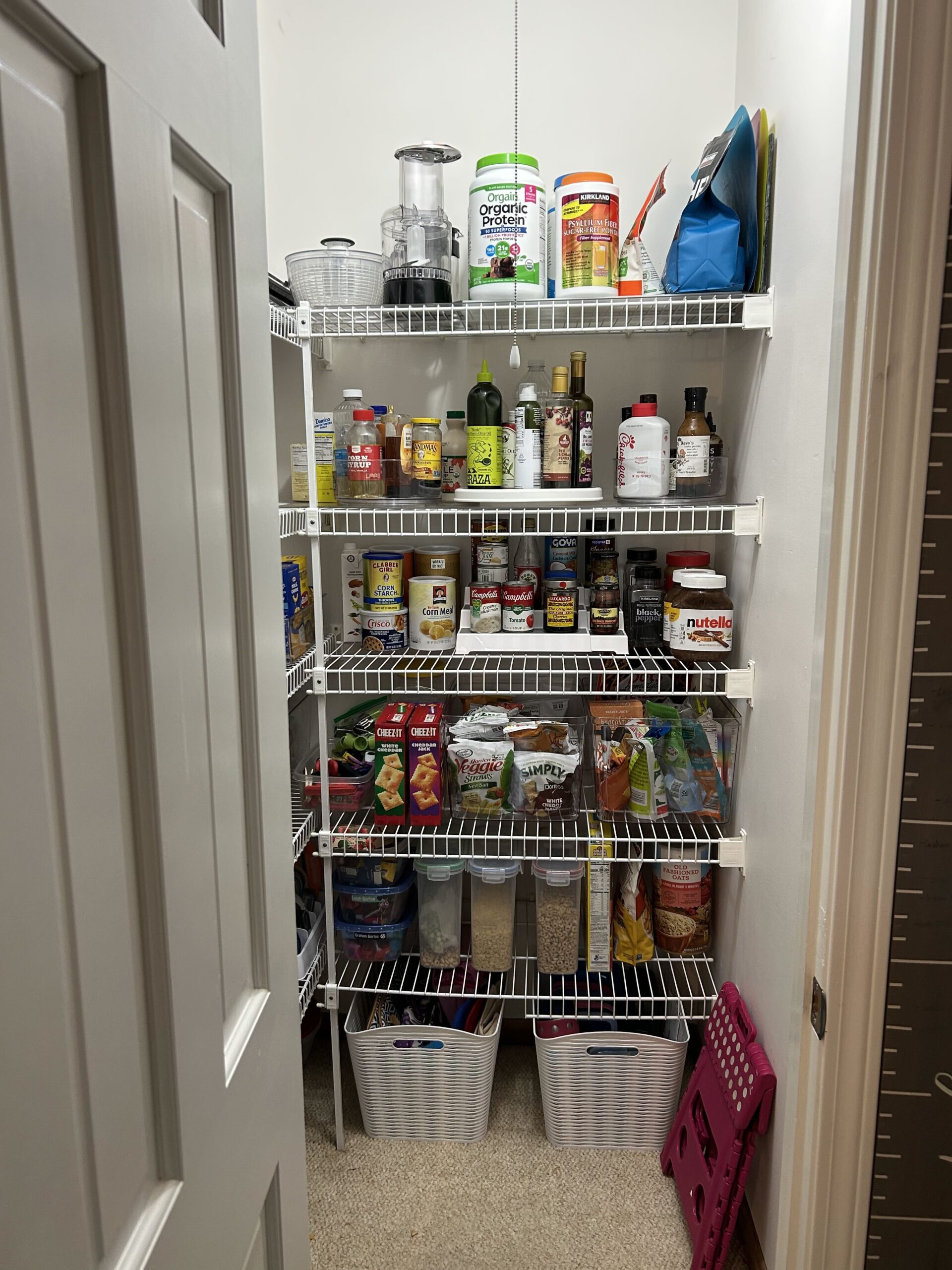
Create clear homes for lunch bags, reusable containers, water bottles, snacks, and lunchbox foods.
For children who are old enough, keep appropriate items within reach so they can help pack or unpack.
The goal is simple visibility and easy access. Everyone should be able to see what is available and return it to the same place.
Our guide to pantry organization containers, labels, and decanting covers how containers and labels can support that kind of functional system.
Activities
Keep items together when they regularly leave the house together.
Cleats, shin guards, and soccer gear may work best in one activity zone. The same approach can apply to dance bags, swim gear, musical instruments, tutoring materials, and club supplies.
A defined home for each activity also makes it easier to see what needs to be washed, replaced, or repacked.
Give homework and active projects a home
Homework can happen at a desk, the kitchen table, or another shared space.
Give each child:
- One tray or folder for current work
- Easy access to basic school supplies
- A place for completed work that needs to return to school
A central supply zone can serve the whole family and keep school materials from spreading through multiple rooms.
Our guide to kids’ rooms that stay organized uses the same principle: frequently used items should be easy to access and easy to put away.
Make the system easy for kids to use
Children can participate more consistently when the system matches their age and abilities.
That might mean:
- A backpack hook they can reach
- A clear place for shoes
- Broad supply categories
- Picture labels for younger children
- One obvious hamper
- A defined place for papers
- Lunch or snack items they can access
- A short reset checklist
If a child is expected to hang up a backpack, place the hook at a usable height. If they are expected to sort papers, give them a clear destination.
Katie’s experience as a nanny informs this practical approach: build the system around what the child can realistically manage.
Build a short evening reset
A few minutes at night can make the next morning easier.
A simple reset might include:
- Empty lunchboxes
- Deal with school papers
- Return homework to backpacks
- Put activity gear back together
- Confirm tomorrow’s clothing
- Return backpacks to the launch zone
- Put unusual next-day items in the “ready to go” spot
Keep the routine short enough to repeat consistently.
The most useful reset handles the things most likely to create friction the next morning.
When one parent is carrying the whole system
A good family system should reduce how much one person has to remember.
Look at the broader setup when:
- Everyone asks the same person where things are
- Backpacks are searched at the last minute
- Papers regularly cover the kitchen counter
- Lunch supplies are scattered throughout the kitchen
- Activity gear is frequently misplaced
- One parent resets the same spaces every night
- The routine falls apart when that parent is busy
Those patterns point to places where the home could use clearer zones, simpler categories, or fewer steps.
For a deeper look at recurring household friction, see why your home won’t stay organized.
When professional family organization can help
School-day friction often spans several connected areas of the home.
A professional organizer can look at the full routine and create systems that work together across the entryway, pantry, closets, kids’ spaces, and activity storage.
That may include:
- Creating a family drop zone
- Simplifying kids’ storage
- Improving access to school clothes
- Setting up lunch and snack zones
- Organizing school papers and supplies
- Creating storage for sports and activities
This can be especially useful when children have outgrown existing systems, the family keeps reorganizing the same spaces, or one parent is carrying most of the household organization.
Learn more about Well Kept Pro’s family home organization services.
For a focused project involving one space or a few connected areas, Reset may be the right fit.
Make the school day easier to manage
Backpacks, lunches, clothes, papers, and activity gear all move through the home every day.
Giving those things clear places makes the routine easier for the whole family to follow. Children can participate in age-appropriate ways, and parents spend less time searching, reminding, and resetting.
That is the goal of school organization at home: a smoother daily routine supported by systems the family can actually maintain.
Learn more about family home organization with Well Kept Pro or schedule a consultation to create systems around the way your family lives.